High-level “preparatory” talks between the ambassadors of Israel and Lebanon commenced at the U.S. State Department on Tuesday. Brokered by Secretary of State Marco Rubio, the meeting represents the first formal diplomatic contact between the two nations since 1993. The summit aims to address an immediate ceasefire, the disarmament of Hezbollah, and a broader regional peace arrangement. However, the dialogue is unfolding against a backdrop of intense military escalation that threatens to derail the process before it truly begins.
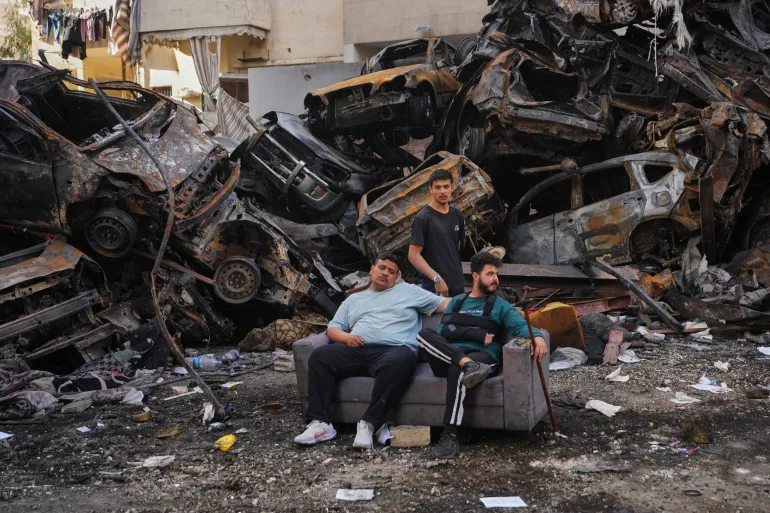
Even as officials met in Washington, the reality on the ground was still violent. Israel launched fresh overnight airstrikes on Adshit al-Qusayr and the Tyre district, targeting what it claimed were weapons depots and command centers. Hezbollah countered by firing rocket barrages toward northern Israel, specifically targeting Kiryat Shmona. This “negotiation under fire” highlights the deep chasm between the diplomatic halls of D.C. and the front lines in southern Lebanon, where the Israeli military maintains that operations will continue until Hezbollah’s infrastructure is dismantled.
The talks face internal opposition, most notably from Hezbollah’s Secretary-General Naim Qassem, who dismissed the negotiations as a “free concession” to Western interests. While the Lebanese government seeks a pause in hostilities to reclaim its sovereignty, Israel has entered the room with instructions not to agree to a ceasefire without the total disarmament of Hezbollah—a condition many analysts describe as a “zero-sum approach.” Former advisors warn that the current terms may be seen as humiliating rather than dignified, potentially fueling further civil strife within Lebanon’s sectarian political landscape.
Beyond the immediate conflict, the diplomatic friction is causing global issues. Italy’s Prime Minister Giorgia Meloni recently suspended a defense agreement with Israel following intense domestic pressure, while Canada pledged $40 million in humanitarian aid to assist the millions displaced by the fighting. Meanwhile, the broader shadow of Iran looms over the proceedings. A U.S. naval blockade of Iranian ports takes effect, President Donald Trump suggested that a separate deal with Tehran could be on the horizon.