It is becoming difficult for athletes from high school to transition smoothly from high school sports to college recruiting due to the increased level of competition. It is now necessary for students to play and advertise themselves strategically through various platforms, which were not there before, thereby creating additional pressure on them.
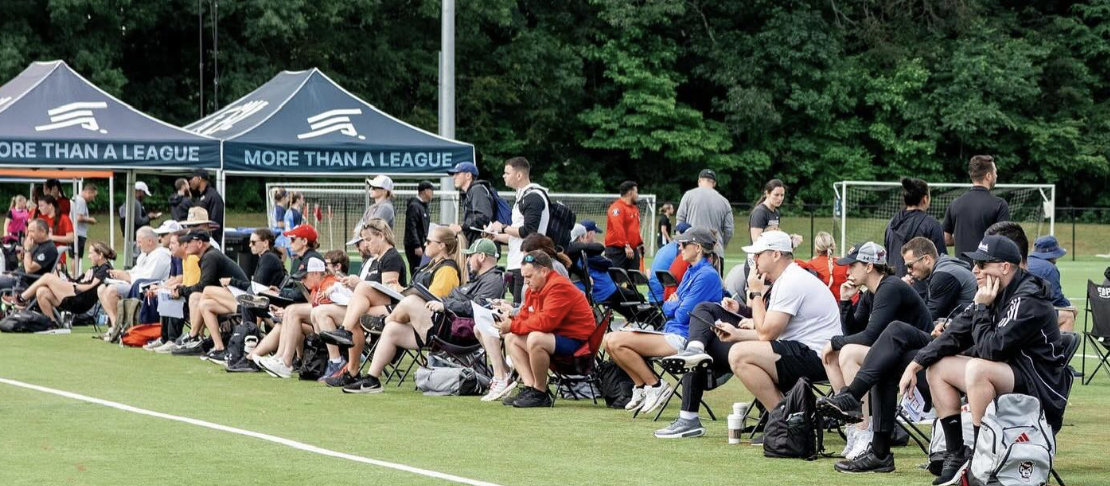
The recruitment of players used to begin during either their junior or senior year, but now athletes get recognized even earlier as college coaches discover players in club tournaments, highlight videos, and even social media pages. For athletes, it means that they will spend more time training in specialized programs rather than playing other sports.
Matthew Evans, who recently committed to Alfred University for basketball describes the recruiting process as “really stressful” and having to reach out to various colleges as “a heavy work load.”
According to coaches and fitness trainers, the move has affected how players now view their chosen sport. Rather than competing in sports for fun or team spirit, players feel compelled to treat the sport as a job. Traveling and private training sessions have become standard components of the recruitment process, usually at great personal cost.
The increasing level of competitiveness among high school sports teams has made many people worry about the risks of burnout and injury. According to trainers, specializing in a certain sport from a young age and constantly performing the same exercises without taking any break leads to overuse injuries and stress on both physical and mental levels.
High schools have also faced the consequences of growing competitiveness. Often, their programs are unable to withstand the impact of top club teams. These organizations have managed to dominate the recruiting scene, which is why the role of school sports is now being perceived as secondary regarding college recruitment.
College recruitment in sports also pushes young athletes to specialize in a single sport at an early age, limiting their ability to remain multi-sport athletes. Because college coaches typically recruit players who demonstrate advanced skills and extensive year round experience, athletes feel pressure to focus all of their time and energy on one sport to stay competitive. This can lead to intense training schedules, travel teams, and specialized coaching that leave little room for other sports. As a result, many athletes drop additional sports they once enjoyed in order to improve their chances of being recruited. While specialization can help athletes reach a high level of skill, it can also reduce overall athletic development, increase the risk of burnout, and take away the variety and enjoyment that comes from playing multiple sports.