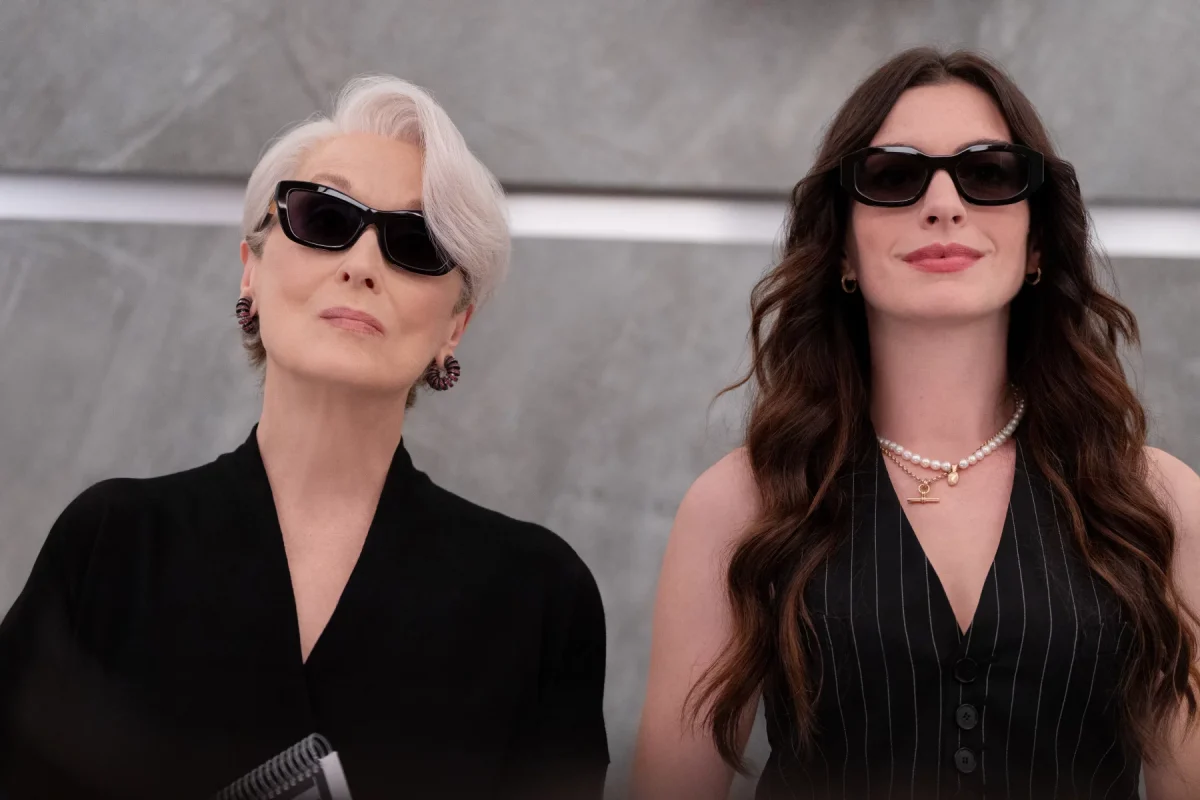
Maybe it’s inevitable that what began as a story about the horrors of working for a magazine has morphed into a story about the horrors of not working for a magazine. Be careful what you wish for and all that.
The Devil Wears Prada began as a 2003 novel by Lauren Weisberger, who had been an assistant to mega-famous Vogue editor Anna Wintour. It was the story of a young woman named Andrea (who goes by Andy) who becomes an assistant to the (fictional) mega-famous Runway editor Miranda Priestly. In the end, Andy flees Miranda’s employ, realizing she does not want to ever become as ruthless and unloved as her boss, who never shows her or anyone else an ounce of kindness.
The hit 2006 film adapted from the book made a lot of changes, but one was most important: It offered the soft redemption of Miranda, who was played by Meryl Streep. While the movie’s Miranda is still nasty, brutish and short with assistants, she cries over being left by her husband, chuckles affectionately to herself after she sees Andy on the street long after their parting, and — most important — helps Andy, played by Anne Hathaway, land a job at a newspaper after she walks out on Runway.
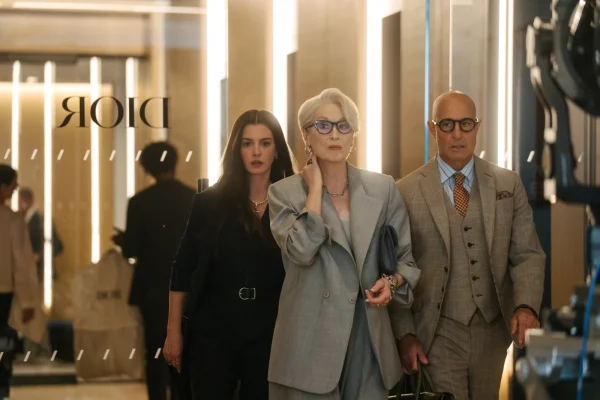 In The Devil Wears Prada 2, this softening becomes an outright face turn, because the story is no longer about Miranda’s treatment of others; it’s about everybody getting together to save journalism. As the tale begins, Andy is an award-winning investigative reporter, but when she’s abruptly laid off via text, she needs a job. And Elias-Clarke, the publishing conglomerate that owns the now digital-first Runway, needs help, too, following a PR disaster. Hoping for a gloss of respectability, Elias-Clarke boss Irv Ravitz brings in Andy, who’s now gone viral for a full-throated public defense of real journalism, to lead the Runway features department. And while she never saw herself working for Miranda again, Andy needs a job.