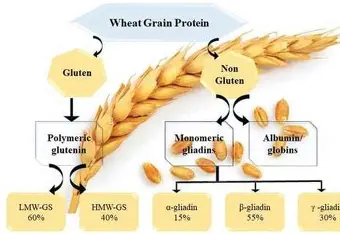
Gluten allergies, which are often confused with celiac disease or gluten sensitivity, represent a growing concern in today’s health industry. Gluten is a protein found in wheat, barley, and rye, and while most people digest it without issue, others experience significant immune reactions when exposed to it. A true gluten allergy, though less common than celiac disease, involves the immune system treating gluten as a harmful substance, triggering an immediate allergic response.
Unlike celiac disease, which is an autoimmune disorder that damages the small intestine over time, a gluten allergy behaves more like other food allergies. Symptoms typically appear quickly after eating gluten-containing foods. These reactions can include hives, swelling, difficulty breathing, nausea, abdominal pain, or in severe cases, anaphylaxis. Because the symptoms overlap with other conditions, gluten allergies are sometimes misdiagnosed, making proper medical testing essential.
The rise in awareness around gluten-related disorders has led many people to adopt gluten-free diets, sometimes without medical necessity. For individuals with a genuine gluten allergy, however, avoiding gluten is not a lifestyle choice but a medical requirement. Even small amounts of cross‑contamination—from shared kitchen surfaces, utensils, or food-processing equipment—can provoke a reaction. This makes everyday activities like eating at restaurants, school cafeterias, or social gatherings more complicated and stressful.
Fortunately, the food industry has responded with a surge of gluten-free alternatives, ranging from breads and pastas to snacks and desserts. While these products offer safer options, they can also be more expensive and less nutritious if heavily processed. For those managing a gluten allergy, the best approach combines careful label reading, communication with food preparers, and guidance from healthcare professionals.
Gluten allergies highlight a broader truth about modern health: the importance of understanding our bodies and advocating for our needs. As awareness grows, so does empathy for those navigating dietary restrictions. With proper education and support, individuals with gluten allergies can lead full, healthy lives without fear of their next meal.