Cinco de Mayo is observed each year on May 5 and commemorates the Mexican army’s victory over France at the Battle of Puebla. This battle took place in 1862, when Mexican forces, led by General Ignacio Zaragoza, defeated a much larger and better-equipped French army. Although the victory did not end the war, it became a symbol of resistance and national pride in Mexico.
Cinco de Mayo is often confused with Mexican Independence Day, but that holiday is actually celebrated on September 16. In Mexico, Cinco de Mayo is mainly observed in the state of Puebla, where the battle occurred. There, people hold parades, reenactments, and educational events to remember the historical moment.
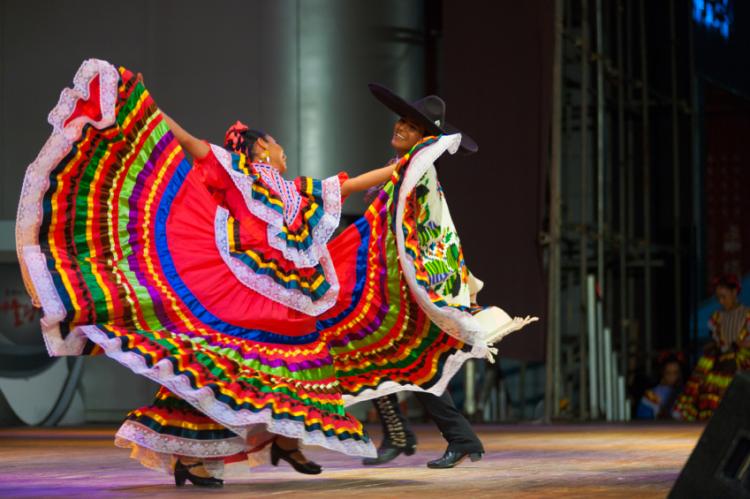
In the United States, Cinco de Mayo has developed into a broader celebration of Mexican-American culture. Cities with large Mexican-American populations often host festivals featuring traditional music, dancing, and food. Schools and community groups may also use the day to teach about Mexican history and heritage. Historians note that the Battle of Puebla was significant because it showed that Mexico could defend itself against a powerful European nation. At the time, France, under Napoleon III, was attempting to establish control over Mexico. Today, Cinco de Mayo is widely celebrated in the United States as a way to recognize Mexican culture and heritage. Many cities host parades, street festivals, and cultural events featuring live music such as mariachi bands and traditional dances like folklórico. People often gather with family and friends to enjoy foods like tacos, tamales, and churros, while restaurants and local businesses offer themed specials. Schools and community groups may organize lessons or performances to teach the history behind the holiday. Decorations with the colors of the Mexican flag—green, white, and red—are commonly seen, and some people wear traditional clothing to show pride and appreciation for Mexican traditions.
Today, Cinco de Mayo serves both as a historical reminder and a cultural celebration. While its meaning can differ between Mexico and the United States, the day continues to highlight the importance of history, identity, and cultural awareness.