Gas prices are going up right now because of real-world events, especially problems with oil supply. The biggest reason is the current conflict in the Middle East. When countries like the United States and Israel fight with Iran, it affects oil production and shipping. A large amount of the world’s oil moves through a narrow waterway called the Strait of Hormuz. When fighting blocks or threatens that area, less oil can move around the world. When supply goes down, prices go up.
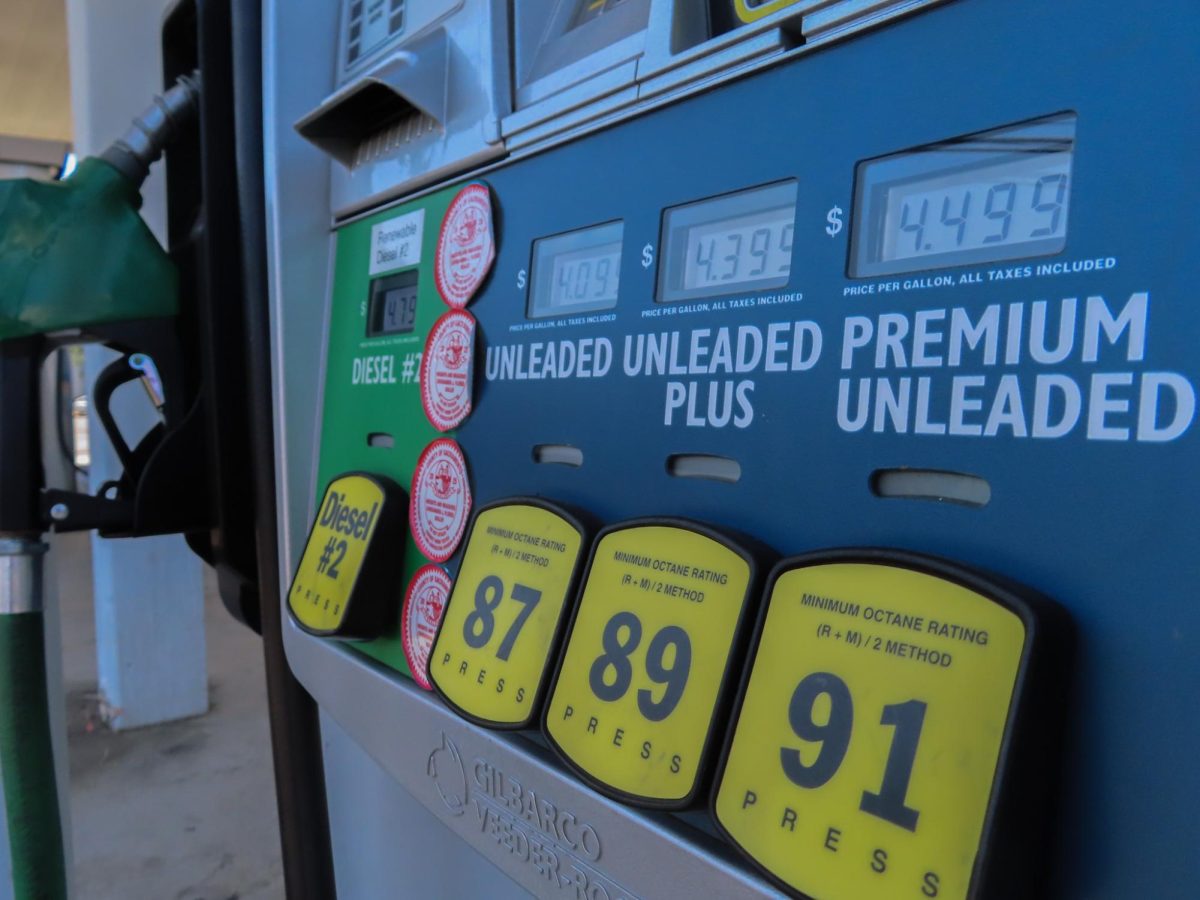
Because oil is the main ingredient in gasoline, higher oil prices quickly lead to higher gas prices. In fact, oil makes up over half the cost of a gallon of gas. When oil prices jumped above $100 per barrel during the conflict, gas prices also rose close to $4 per gallon in the U.S.
Another reason prices rise is that oil is part of a global market. Even though the U.S. produces a lot of oil, it still buys and sells oil with other countries. This means global problems affect everyone, including American drivers.
Gas prices can go down if these problems improve. For example, if the conflict ends or becomes less intense, oil can move more freely again. This increases supply and lowers prices. Also, if countries produce more oil or people use less gas, demand drops, which can bring prices down. Governments can also help by lowering gas taxes or releasing stored oil reserves.
In simple terms, gas prices rise when oil is harder to get and fall when oil becomes easier to supply. Right now, world events are making oil harder to move, which is why people are paying more at the pump.