The war in Iran has quickly become one of the most intense and widely discussed conflicts in the world, and even though it’s happening far from most of us, its impact reaches across the globe. What started as long‑standing political tension has turned into a full‑scale regional crisis, drawing in powerful countries and creating serious uncertainty about what comes next.
For years, Iran has been at odds with the United States, Israel, and several nearby countries over issues like its nuclear program, missile development, and support for allied groups throughout the Middle East. These disagreements created constant friction, but the situation escalated dramatically after major military strikes hit key Iranian government and military sites. One of these strikes resulted in the death of Iran’s Supreme Leader, a moment that pushed the conflict into a new and far more dangerous phase.
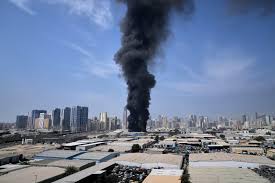
In response, Iran and the groups it supports launched missile and drone attacks on Israel, U.S. bases, and several Gulf nations. The fighting spread quickly, and the number of casualties has continued to rise. What makes the situation even more concerning is that none of the countries involved seems willing to step back or negotiate, leaving the conflict open‑ended and unpredictable.
Even though the war is centered in the Middle East, its effects are being felt worldwide. A large portion of the world’s oil supply comes from this region, so any instability causes prices to rise. Higher oil prices affect everything from transportation to the cost of everyday goods. Financial markets have also reacted with uncertainty, showing how deeply connected global systems are to events in this part of the world.
Right now, the future of the conflict remains unclear. With so many powerful countries involved and no clear path toward peace, the situation could continue to escalate. The war in Iran is a reminder that global events—even those happening far away—can shape the world we all live in.