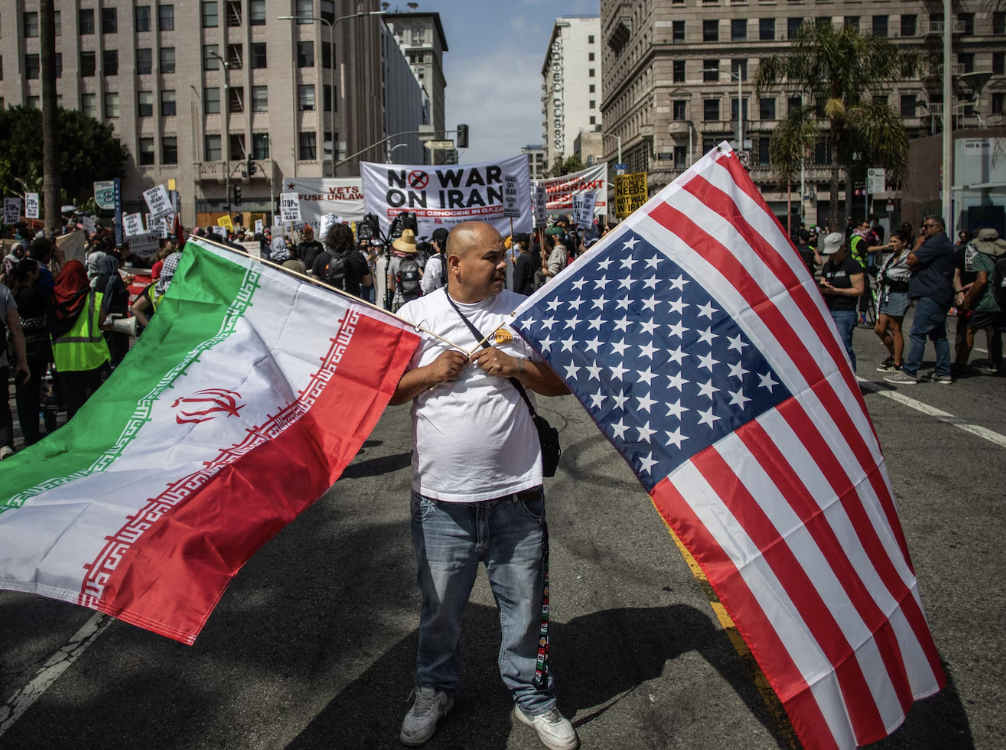
President Donald Trump announced yesterday that the United States has officially entered a state of war. In a nationally televised address, the administration described the decision as necessary to protect national security and support key allies. Previously, the president has stressed during both his campaign and presidency that he would not “start a war. I’m going to stop wars.” Now, with troops deployed and military operations underway, that commitment has been broken, however others believe circumstances forced the President to make this decision.
This being said, The U.S. Constitution grants Congress the power to declare war. While presidents have historically authorized military action without formal declarations, some may argue that bypassing Congress undermines constitutional limits on executive power.
U.S. officials cite a combination of national security concerns, international obligations, and strategic interests as reasons for military action. Rising tensions with other nations, threats to allied countries, and the potential for attacks on American citizens or assets were all presented as immediate dangers that required a response. Leaders also emphasized the importance of maintaining global stability and protecting trade routes and critical resources.
Historically, wars have reshaped not only international alliances but also domestic priorities. Funding decisions, national security policies, and public discourse often shift rapidly in wartime. Debates have already began emerging over military spending, diplomatic alternatives, and the balance between security and civil liberties.
For now, daily life continues as usual for most Americans but the knowledge that the nation is at war hangs over conversations and headlines.
Whether this conflict will be brief or prolonged remains uncertain. As the situation develops, the country faces a familiar but sobering reality.