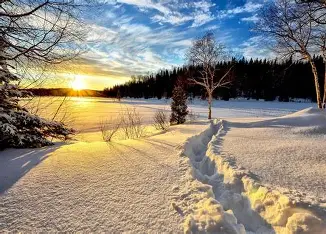
Winter in Colorado as 2026 begins is defined by an unusual blend of warmth, dryness, and climatic uncertainty. Instead of the crisp, snowy conditions people typically expect, much of the state has experienced a season that feels more like fall. Recent climate observations indicate that the final weeks of 2025 were marked by persistent warmth and a concerning lack of moisture, setting the tone for the early 2026 winter landscape. These conditions have intensified drought, reduced snowpack, and increased fire danger across multiple regions (Colorado Climate Blog).
A major driver of this winter’s behavior is the presence of La Niña conditions, which were active through late 2025 and are expected to persist into the December–January–February period before transitioning toward neutral conditions in early 2026. Historically, La Niña winters in Colorado tend to produce above‑average temperatures and variable precipitation, especially in the southern half of the state(National Weather Service). Forecasts from the National Weather Service reflect this pattern, projecting warmer-than-normal temperatures across much of south‑central and southeast Colorado, with mixed chances for precipitation and a slight lean toward drier conditions in the southwest(National Weather Service).
Long‑range national outlooks reinforce this uneven picture. NOAA’s winter predictions for December 2025 through February 2026 suggest a divided national climate pattern, with northern states more likely to experience cold, wet conditions while regions farther south—including parts of Colorado—face a warmer, drier season. This aligns with the early‑season warmth Coloradans have already felt and raises questions about how much snow the mountains will ultimately receive(Colorado Climate Blog).
Despite these trends, some forecasts offer a more moderate interpretation. The Old Farmer’s Almanac anticipates a “mostly mild, with pockets of wild” winter nationwide, including Colorado. While temperatures may hover near or slightly above normal, the Almanac cautions residents not to put away their shovels just yet, as periodic storms remain possible even in a milder season.
Overall, Colorado’s winter of 2026 is shaping up to be a season of contrasts; warmer and drier than usual in many areas, yet still capable of delivering bursts of snow and cold. The state’s water supply, ski industry, and wildfire outlook will all hinge on how the remainder of the season unfolds.