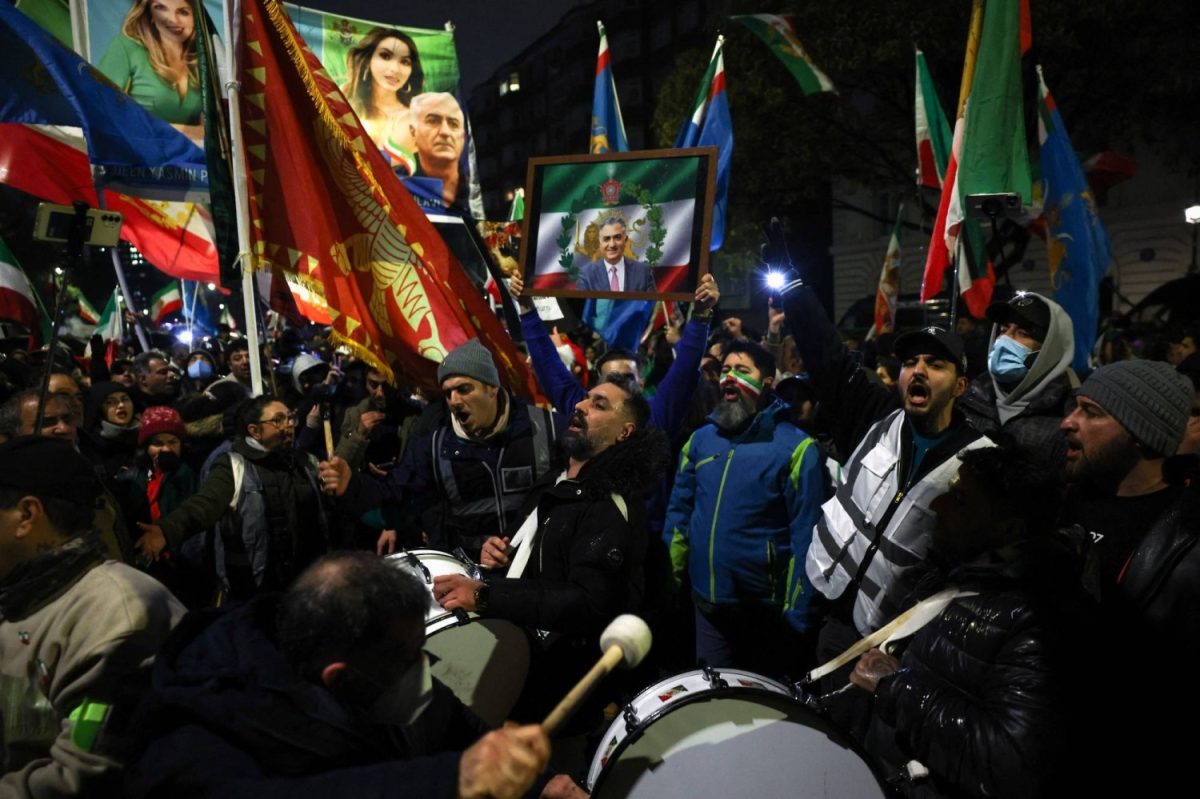
Iran is experiencing some of the most intense protests they have experienced in decades, creating an intense, severe response from the state’s security.
Although hard to receive specific numbers due to Iran limiting the information released, activist groups has predicted the death toll to be beyond 2,500. The Human Rights Activists News Agency (HRANA) reported at least 2,571 fatalities as of mid-January 2026, including largely unarmed demonstrators, security personnel, and several children. Many witnesses have described crowds chanting slogans against the clerical leadership and the “velayat-e faqih” system itself. Many protesters now call for systemic political reforms or regime change.
Iranian authorities, however, have responded to the protests with unnecessary force. The Islamic Revolutionary Guard Corps and regular police have been accused of using live ammunition, metal-pellet shotguns, tear gas, and batons against demonstrators. Hospitals in Tehran reported hundreds of serious eye and head injuries among the wounded, leading rights groups to call out deliberate tactics aimed at maiming civilians.
The government has even implemented a near-total internet and mobile communications blackout. As a result, making verification of events difficult and leaving many families cut off from loved ones inside Iran, or without a way to find a way out.
Among the confirmed casualties is 23-year-old student Robina Aminian, who was reportedly shot in the head during a demonstration near her college in Tehran, which demonstrates the inhumane tragedies being experienced.
President Donald Trump has publicly expressed support for the protesters, halted diplomatic engagements with Tehran, and warned of “very strong action” if Iranian authorities execute demonstrators. Some U.S. military personnel have been advised to reposition amid rising tensions, while neighboring nations warn that any external conflict could destabilize the region further. European countries, too, have condemned the brutality and discussed additional sanctions against the Iranian government.
Whether the regime tightens its grip or faces meaningful change, the unrest has already exposed deep fractures within the country — fractures that may shape Iran’s future and the future of the globe for years to come.