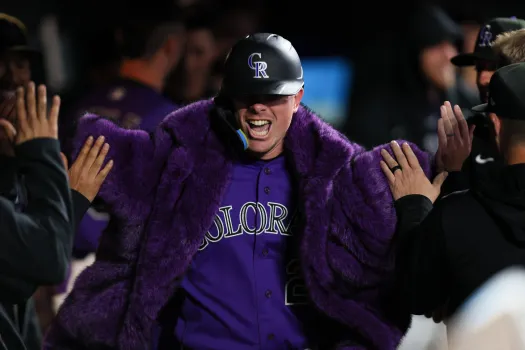
The beginning of the Colorado Rockies’ 2026 season has arrived with a mix of renewed hope, roster improvement, and early glimpses of a real baseball team. After going through a historically terrible 2025 campaign, the organization entered spring training determined to rewrite its story. That effort became clear as the Rockies finalized their Opening Day roster, unveiling a pitching staff and lineup that look incredibly different from years past. Veteran left‑hander Kyle Freeland, entering his tenth MLB season, once again earned the Opening Day start—his franchise‑record fifth—looking to start the season off hot.
The Rockies opened the season on the road against the Miami Marlins, dropping their first three games by just a single run each. While losses are always terrible, these close games represented a stark contrast to the blowout defeats that plagued the team the previous year. The pitching staff, long a weakness, showed encouraging signs. Freeland delivered 4.1 solid innings in the opener, and the bullpen followed with near‑perfect execution, limiting Miami to just three hits after his exit.
Offensively, the early storyline belongs to first baseman TJ Rumfield, one of nine players making their first Opening Day roster. Acquired in an offseason trade with the Yankees, Rumfield made an immediate impact by recording hits in each of his first games and launching the first home run of his Major League career. His early production, combined with a strong spring training performance, suggests he may become a key piece of the lineup sooner than expected.
As the Rockies prepared for their home opener at Coors Field on April 3, fans filled the stadium with renewed energy, eager to see whether the team’s offseason changes would translate into meaningful progress. The home opener, always a celebrated event in Denver, marked not just the start of another season but the beginning of a hopeful new chapter. The Phillies did blow out the Rockies, but there are still signs of good baseball to come.
Though the Rockies remain a work in progress, the early signs—competitive pitching, emerging young talent, and a refreshed organizational direction—hint that 2026 may be the season they begin climbing back toward relevance.