Happy Easter!
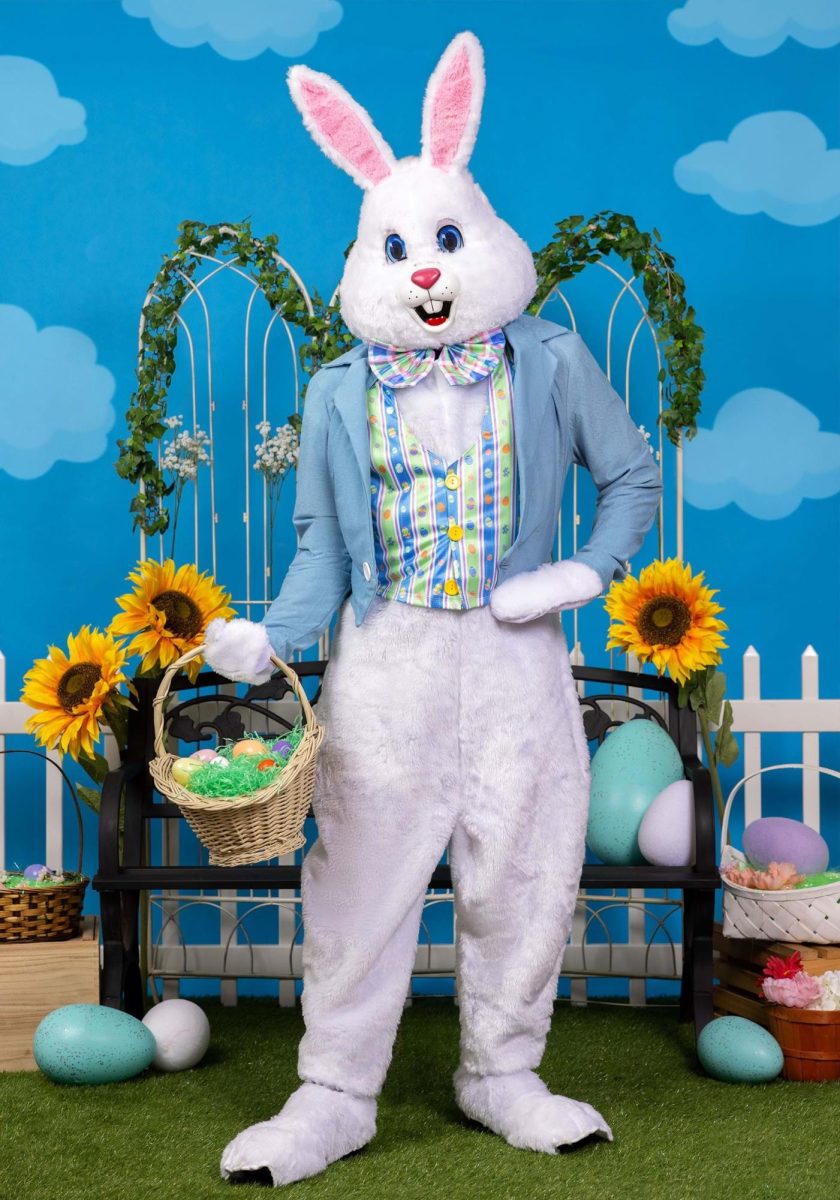
Easter’s connection to the Easter Bunny may seem whimsical at first glance. Still, the tradition has deep cultural and historical roots that stretch back long before chocolate rabbits filled store shelves. The origins of the Easter Bunny can be traced to pre‑Christian spring festivals in northern Europe, where rabbits and hares symbolized fertility, renewal, and the return of life after winter. These animals were admired for their remarkable reproductive abilities, making them natural emblems of rebirth. When Christianity spread across Europe, many older seasonal customs blended with Christian celebrations. As Easter became the central holiday commemorating the resurrection of Jesus, symbols of springtime renewal—such as eggs, flowers, and rabbits—were incorporated into the festivities, creating a fusion of spiritual meaning and seasonal imagery.
The specific figure of the “Easter Bunny” emerged more clearly in German folklore. By the 1600s, German communities told stories of the Osterhase, a magical hare that visited children at Easter, laying colorful eggs as gifts. This tradition traveled to America in the 1700s with German immigrants who settled in Pennsylvania. Over time, the hare became a rabbit, the egg‑laying myth expanded into baskets, treats, and eventually chocolate, and the character evolved into the friendly, child‑centered figure we recognize today. The Easter Bunny became a way to make the holiday joyful and accessible to children, much like Santa Claus at Christmas.
Ultimately, Easter’s association with the Easter Bunny reflects a blend of ancient symbolism, cultural storytelling, and the human desire to celebrate hope and renewal. The rabbit’s long‑standing connection to fertility and new life aligns naturally with Easter’s themes, while the playful tradition of egg hunts and treats adds a sense of fun to the season. What began as folklore has become a beloved modern tradition that continues to bring families together each spring.